مقدمة إلى Raspberry Pi
Raspberry Pi هو كمبيوتر صغير الحجم، منخفض التكلفة، وقوي الاستخدام، تم تطويره بواسطة مؤسسة Raspberry Pi Foundation. يهدف إلى توفير جهاز كمبيوتر قوي وبأسعار معقولة لجميع الأشخاص في جميع أنحاء العالم، بغض النظر عن مستوى خبرتهم أو ظروفهم المالية. منذ إطلاقه لأول مرة في عام 2012، أصبحت أجهزة Raspberry Pi من أكثر الأجهزة شهرة في مجالات التعليم، والهوايات، والتطوير التكنولوجي.
مكونات Raspberry Pi
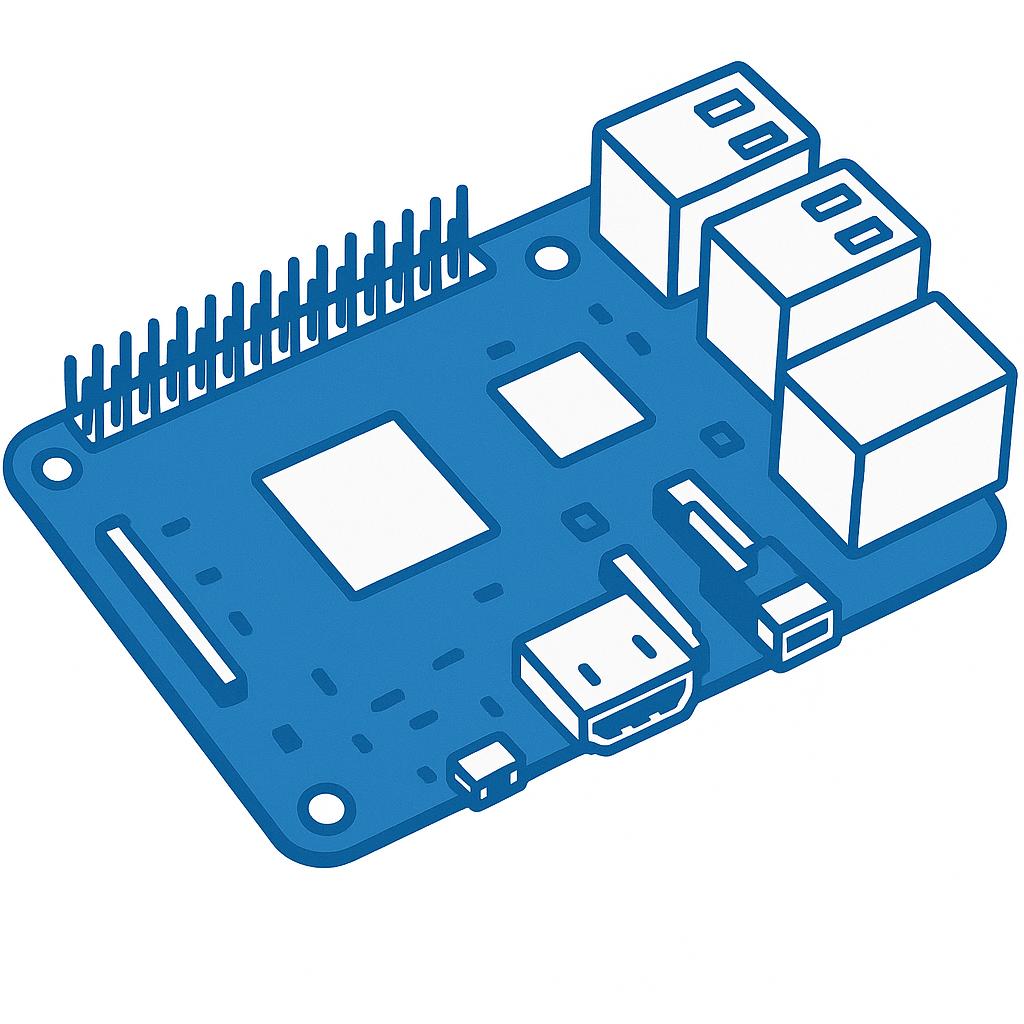
تتمثل قوة Raspberry Pi في أنه جهاز صغير الحجم، ولكن يتمتع بإمكانيات كبيرة. بعض المكونات الرئيسية في هذه الأجهزة هي:
- وحدة المعالجة المركزية (CPU):
- Raspberry Pi يحتوي على معالج متعدد النوى (Quad-core CPU) من نوع ARM، مما يجعله مناسبًا للعديد من التطبيقات.
- الذاكرة (RAM):
- يوجد في الأجهزة المختلفة من Raspberry Pi ذاكرة RAM تتراوح من 1 جيجابايت إلى 8 جيجابايت في النماذج الأحدث.
- المدخلات والمخرجات (GPIO Pins):
- يحتوي Raspberry Pi على مجموعة من دبابيس المدخلات والمخرجات العامة (GPIO) التي يمكن استخدامها للتحكم في الأجهزة الإلكترونية مثل المحركات، الحساسات، والإضاءة.
- التخزين:
- لا يحتوي Raspberry Pi على تخزين داخلي كبير مثل الكمبيوترات التقليدية، بل يعتمد على بطاقة SD أو microSD للتخزين. يمكن أيضًا استخدام أجهزة تخزين خارجية عبر منافذ USB.
- اتصال الشبكة (Networking):
- يأتي جهاز Raspberry Pi مزودًا بمنفذ Ethernet للاتصال بالشبكة، وبعض الموديلات تدعم أيضًا الاتصال اللاسلكي عبر Wi-Fi.
- الرسومات والصوت:
- يحتوي Raspberry Pi على منفذ HDMI لتوصيل شاشات العرض، بالإضافة إلى دعم الصوت عبر مخرج 3.5 ملم أو عبر HDMI.
- الطاقة:
- يعمل Raspberry Pi عادة على طاقة 5 فولت عبر منفذ micro-USB أو USB-C في بعض الطرز الأحدث.
النماذج المختلفة من Raspberry Pi
توجد عدة نماذج من Raspberry Pi بمواصفات مختلفة لتناسب احتياجات المستخدمين المختلفة:
- Raspberry Pi 4 Model B:
- يحتوي على معالج رباعي النواة بسرعة 1.5 جيجاهرتز، مع خيارات من 2، 4، أو 8 جيجابايت من الذاكرة العشوائية RAM. يعتبر هذا النموذج الأكثر قوة من حيث الأداء.
- Raspberry Pi 3 Model B+:
- يحتوي على معالج رباعي النواة بسرعة 1.4 جيجاهرتز، مع ذاكرة 1 جيجابايت من RAM، وهو خيار شائع للمشاريع المتوسطة.
- Raspberry Pi Zero:
- يعد هذا النموذج الأصغر والأقل تكلفة، مثالي للمشاريع التي تتطلب جهازًا صغيرًا جدًا وفعالًا في استهلاك الطاقة.
- Raspberry Pi Pico:
- هو جهاز صغير الحجم يعتمد على معالج RP2040 المخصص، ويستخدم بشكل رئيسي في المشاريع المدمجة وإنترنت الأشياء.
التطبيقات والاستخدامات
تُستخدم أجهزة Raspberry Pi في العديد من المجالات المختلفة:
- التعليم:
- يعد Raspberry Pi أداة مثالية لتعليم البرمجة والعلوم الحاسوبية للأطفال والمبتدئين. يمكن للمستخدمين تعلم لغات البرمجة مثل Python وScratch، وإنشاء مشاريع تعليمية مثل ألعاب الكمبيوتر وبرامج تحليل البيانات.
- مشاريع الروبوتات:
- يستخدم Raspberry Pi في مشاريع الروبوتات المتقدمة بفضل إمكانياته في المعالجة ووجود دبابيس GPIO التي تتيح التفاعل مع المحركات وأجهزة الاستشعار.
- خوادم الوسائط:
- يمكن استخدام Raspberry Pi كخادم للوسائط المتعددة باستخدام برامج مثل Kodi أو Plex لتشغيل الفيديوهات والموسيقى على التلفزيون أو أي جهاز آخر.
- الأنظمة الذكية:
- يتم استخدام Raspberry Pi في إنشاء أنظمة المنزل الذكي، مثل أنظمة الإضاءة التلقائية، والتحكم في الأجهزة الكهربائية عبر الإنترنت.
- مشاريع الإنترنت الأشياء (IoT):
- بفضل قدرة Raspberry Pi على الاتصال بالشبكة وتشغيل الأنظمة المختلفة، يمكن استخدامه في مشاريع إنترنت الأشياء لإنشاء أجهزة ذكية تتفاعل مع العالم الخارجي.
- الكمبيوتر الشخصي:
- يمكن تحويل Raspberry Pi إلى جهاز كمبيوتر شخصي بسيط باستخدام واجهات رسومية وأدوات مكتبية مثل LibreOffice وتصفح الإنترنت باستخدام Chromium.
المزايا
- منخفض التكلفة: يعد Raspberry Pi من أكثر الأجهزة اقتصادية في الفئة التي ينتمي إليها.
- مرونة عالية: يمكن استخدامه في مجموعة واسعة من المشاريع، من التعليم إلى التطبيقات الصناعية.
- مجتمع داعم: يوجد مجتمع ضخم من المستخدمين والمطورين الذين يقدمون الدعم والمصادر عبر الإنترنت.
- إمكانية التوسع: بفضل دبابيس GPIO، يمكن توصيل Raspberry Pi بمكونات إضافية مثل المحركات، الحساسات، والشاشات.
- البرمجيات مفتوحة المصدر: يتم دعم Raspberry Pi بالعديد من البرمجيات مفتوحة المصدر، مما يجعله جهازًا مرنًا للمطورين.
التحديات
- القيود على الأداء: رغم أنه جهاز قوي بالنظر إلى حجمه وسعره، إلا أن Raspberry Pi لا يمكن مقارنته مع أجهزة الكمبيوتر التقليدية من حيث الأداء.
- التخزين: بما أنه يعتمد على بطاقة SD أو microSD للتخزين، فإن سرعة القراءة والكتابة تكون أقل مقارنة بالأنظمة التي تستخدم أقراص SSD أو HDD.
- الطاقة: يحتاج إلى مصدر طاقة خارجي (5 فولت) وقد يتطلب بعض المشاريع إمدادات طاقة ثابتة.
الخاتمة
يعتبر Raspberry Pi جهازًا متعدد الاستخدامات، صغير الحجم، وقوي الأداء، مما يجعله خيارًا مثاليًا للمشاريع التعليمية، البرمجية، والهوايات. بفضل سعره المنخفض، يمكن للمستخدمين من جميع أنحاء العالم الوصول إلى تقنيات متطورة واستخدامها في تطبيقاتهم المختلفة. سواء كنت مبتدئًا في عالم البرمجة أو خبيرًا في إنشاء الأنظمة المعقدة، فإن Raspberry Pi هو أداة رائعة لتنفيذ أفكارك.
Introduction to Raspberry Pi
Raspberry Pi is a small, affordable, and powerful computer developed by the Raspberry Pi Foundation. It was designed to provide an accessible and low-cost computing solution for people worldwide, regardless of their expertise or financial situation. Since its launch in 2012, Raspberry Pi devices have become extremely popular in education, hobbyist projects, and technological development.
Components of Raspberry Pi
The power of Raspberry Pi lies in its compact size while offering significant capabilities. Some key components of these devices include:
- Central Processing Unit (CPU):
- The Raspberry Pi features a multi-core ARM processor, making it suitable for a wide range of applications.
- Memory (RAM):
- The different Raspberry Pi models come with RAM options ranging from 1 GB to 8 GB in the latest models.
- General Purpose Input/Output (GPIO) Pins:
- Raspberry Pi devices come with a set of GPIO pins that allow interaction with various electronic components such as motors, sensors, and lights.
- Storage:
- Raspberry Pi does not have significant internal storage like traditional computers. It relies on an SD or microSD card for storage. External storage devices can also be connected via USB ports.
- Networking:
- Raspberry Pi features an Ethernet port for wired network connections, and some models also support wireless connectivity via Wi-Fi.
- Graphics and Audio:
- The device supports HDMI output for display and also provides audio through a 3.5mm jack or HDMI.
- Power:
- Raspberry Pi typically runs on 5V power through a micro-USB or USB-C port, depending on the model.
Different Raspberry Pi Models
There are several models of Raspberry Pi with different specifications to meet various user needs:
- Raspberry Pi 4 Model B:
- Features a quad-core processor running at 1.5 GHz, with RAM options of 2GB, 4GB, or 8GB. This model is the most powerful in terms of performance.
- Raspberry Pi 3 Model B+:
- Comes with a quad-core processor running at 1.4 GHz, and 1 GB of RAM, making it a popular choice for intermediate projects.
- Raspberry Pi Zero:
- A smaller, more affordable model, ideal for projects that require a very compact device with low power consumption.
- Raspberry Pi Pico:
- A smaller board based on the RP2040 microcontroller, primarily used for embedded projects and Internet of Things (IoT) applications.
Applications and Uses
Raspberry Pi devices are used in a wide variety of fields:
- Education:
- Raspberry Pi is an excellent tool for teaching programming and computer science to children and beginners. It supports languages like Python and Scratch and can be used to create educational projects such as games and data analysis programs.
- Robotics Projects:
- Raspberry Pi is widely used in advanced robotics projects thanks to its processing power and GPIO pins that allow control of motors and sensors.
- Media Servers:
- Raspberry Pi can be used as a media server using software like Kodi or Plex to stream videos and music to your TV or other devices.
- Smart Systems:
- Raspberry Pi is commonly used to create home automation systems, such as controlling lights, appliances, and other devices via the internet.
- Internet of Things (IoT):
- Due to its network connectivity and ability to run different operating systems, Raspberry Pi is a perfect choice for creating IoT devices that interact with the external world.
- Personal Computer:
- Raspberry Pi can be converted into a basic personal computer with graphical interfaces and office software like LibreOffice and web browsing using Chromium.
Advantages
- Low Cost: Raspberry Pi is one of the most affordable computing devices available.
- High Flexibility: It can be used in a wide range of applications, from education to industrial applications.
- Strong Community Support: A large online community of users and developers offers support and resources.
- Expandable: With GPIO pins, Raspberry Pi can be connected to additional components like motors, sensors, and displays.
- Open-Source Software: Raspberry Pi is supported by a wide variety of open-source software, making it a flexible device for developers.
Challenges
- Performance Limitations: Although Raspberry Pi is powerful for its size and price, it cannot match the performance of traditional desktop computers.
- Storage: Since it relies on SD or microSD cards for storage, read and write speeds are slower compared to systems with SSD or HDD.
- Power: It requires an external power supply (5V), and some projects may need stable and consistent power sources.
Conclusion
Raspberry Pi is a versatile, small-sized, and powerful computing device that is ideal for educational, programming, and hobbyist projects. Thanks to its low cost, it allows users from all over the world to access advanced technology and implement it in various applications. Whether you’re a beginner learning to code or an expert working on complex systems, Raspberry Pi is an excellent tool to bring your ideas to life.