مقدمة
تعد وحدة التحكم عن بُعد من الأدوات الأساسية في مشاريع التحكم الإلكتروني التي تحتاج إلى التحكم في الأجهزة عن بُعد باستخدام إشارات الأشعة تحت الحمراء (IR). تُستخدم هذه الوحدات للتحكم في الأجهزة الإلكترونية مثل التلفزيونات، أجهزة التكييف، الإضاءة، وأجهزة أخرى، مما يتيح إنشاء تطبيقات مختلفة لسهولة التحكم في الأنظمة.
كيف تعمل وحدة التحكم عن بُعد؟
تعتمد وحدات التحكم على مبدأ الأشعة تحت الحمراء (IR)، حيث يتم إرسال الإشارة عبر موجات ضوء غير مرئية. تتكون الإشارة من رمز رقمي يتم ترميزه باستخدام نبضات ضوء. عند استلام المستشعر لهذه الإشارة، يتم فك تشفيرها وتحويلها إلى بيانات يمكن معالجتها بواسطة المتحكمات الدقيقة. تقوم هذه المتحكمات بتفسير الأوامر المرسلة من جهاز التحكم وتنفيذ الاستجابة المناسبة.
المكونات الأساسية
- جهاز التحكم عن بُعد (IR Remote):
- جهاز يحتوي على عدة أزرار للتحكم في الوظائف المختلفة. يحتوي كل زر على شفرة فريدة تُرسل عبر الأشعة تحت الحمراء.
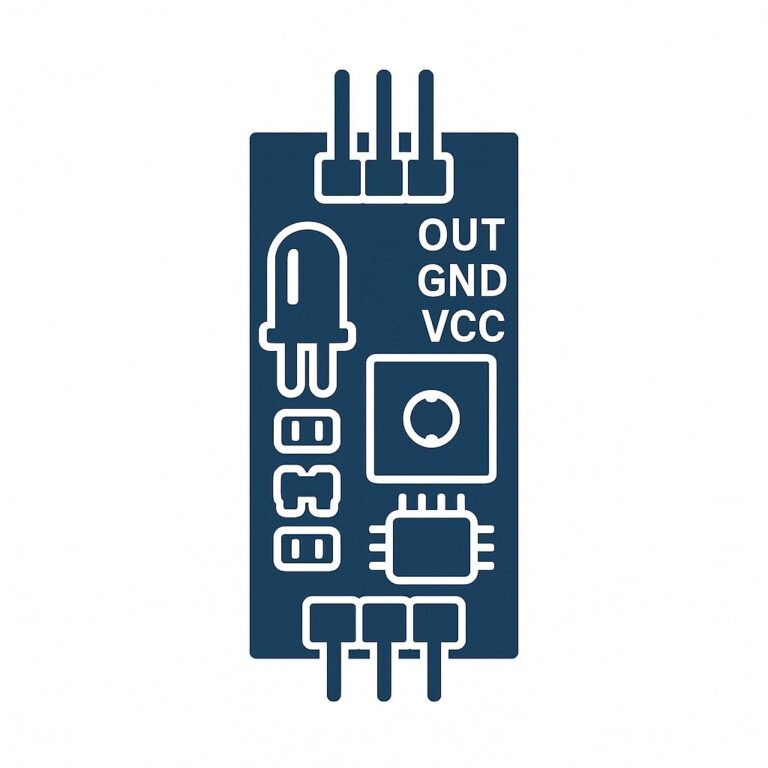
- مستشعر الأشعة تحت الحمراء (IR Receiver):
- مستشعر يعمل على استقبال الإشارات المرسلة من جهاز التحكم عن بُعد، حيث يقوم بتحويلها إلى بيانات قابلة للمعالجة.
- المتحكم الدقيق (مثل Arduino Uno):
- يقوم بمعالجة الإشارات المرسلة من جهاز التحكم عن بُعد عبر المستشعر وتفسير الأوامر لتنفيذ الإجراءات المناسبة.
- مكتبة IR:
- مكتبة برمجية تسهل التعامل مع إشارات الأشعة تحت الحمراء، حيث توفر الأدوات اللازمة لفك تشفير الإشارات وتحويلها إلى أوامر قابلة للتنفيذ.
كيفية التوصيل مع المتحكم
المكونات المطلوبة:
- لوحة تحكم (مثل Arduino Uno)
- جهاز تحكم عن بُعد (IR Remote)
- مستشعر الأشعة تحت الحمراء (IR Receiver)
- أسلاك توصيل
خطوات التوصيل:
- توصيل المستشعر:
- يتم توصيل دبابيس VCC و GND في المستشعر إلى 5 فولت و GND في المتحكم، ودبوس Signal إلى أحد دبابيس الإدخال الرقمية.
- توصيل جهاز التحكم:
- جهاز التحكم لا يحتاج إلى توصيل مباشر، حيث يقوم المستشعر بتلقي الإشارة المرسلة من جهاز التحكم.
- كتابة البرنامج:
- باستخدام مكتبة IRremote، يتم كتابة كود برمجي لتحليل الإشارة وفك تشفير الأزرار المرسلة من جهاز التحكم وتنفيذ الأوامر بناءً على الأزرار المضغوطة.
التطبيقات
- التحكم في الإضاءة:
- يمكن استخدام وحدة التحكم للتحكم في تشغيل وإيقاف الإضاءة في الغرف أو الأماكن.
- أنظمة الأمان:
- يمكن تفعيل أو تعطيل أنظمة الأمان في المنازل أو الأماكن التجارية باستخدام جهاز التحكم عن بُعد.
- الروبوتات:
- في المشاريع الروبوتية، يمكن استخدام هذه الوحدات للتحكم في حركة الروبوتات عن بُعد.
- تحكم في الأجهزة المنزلية:
- يمكن التحكم في الأجهزة المنزلية مثل مكيفات الهواء أو الأجهزة الأخرى باستخدام جهاز تحكم واحد.
- أنظمة التشغيل الآلي:
- يمكن التحكم في الأجهزة المختلفة في الأنظمة الذكية عبر جهاز التحكم عن بُعد.
المميزات
- سهولة الاستخدام: توفر طريقة مريحة للتحكم في الأجهزة الإلكترونية عن بُعد.
- دقة التحكم: يمكن تحديد الأوامر بدقة من خلال الأزرار المختلفة.
- التكامل مع الأنظمة الأخرى: يمكن دمجها بسهولة في مشاريع متعددة لتحقيق التحكم التام.
- التكلفة المنخفضة: أجهزة التحكم ومستشعرات الأشعة تحت الحمراء تكون ميسورة التكلفة.
التحديات
- القيود في المدى: الأشعة تحت الحمراء محدودة المدى ويمكن أن تتأثر بالعوامل البيئية.
- البرمجة: يحتاج المستخدم إلى كتابة الكود البرمجي المناسب لفك تشفير الإشارات وتنفيذ الأوامر.
- التداخل: قد يحدث تداخل بين إشارات الأشعة تحت الحمراء في حالة وجود أكثر من جهاز يعمل في نفس الوقت.
الخاتمة
تعد وحدة التحكم عن بُعد وسيلة فعالة للتحكم في الأجهزة الإلكترونية باستخدام إشارات الأشعة تحت الحمراء. توفر هذه الوحدات تطبيقات متنوعة في الأتمتة المنزلية، الروبوتات، أنظمة الأمان، وغيرها من المجالات. من خلال تكاملها مع المتحكمات الدقيقة، يمكن إنشاء حلول مبتكرة وسهلة لتلبية احتياجات التحكم عن بُعد.
Remote Control Module
Introduction
The Remote Control Module is an essential tool in electronic projects that require controlling devices remotely using infrared (IR) signals. These modules are used to control various electronic devices like televisions, air conditioners, lighting, and others, making them ideal for applications where remote control is needed.
How Does a Remote Control Work?
Remote control modules rely on infrared (IR) technology, where the signal is transmitted through invisible light waves. The signal typically consists of a digital code encoded using light pulses. When the receiver sensor detects this signal, it decodes it into data that can be processed by microcontrollers. The microcontroller then interprets the commands sent from the remote control and performs the appropriate actions.
Key Components
- Remote Control (IR Remote):
- A device containing several buttons, each with a unique code that is transmitted via infrared light.
- Infrared Receiver (IR Receiver):
- A sensor that receives the signals from the remote control, converting them into electrical data that can be processed by the microcontroller.
- Microcontroller (e.g., Arduino Uno):
- The processor that handles the signals sent from the remote control through the receiver and interprets the commands to take appropriate actions.
- IR Library:
- A software library that simplifies working with infrared signals, providing the necessary tools to decode the signals and convert them into actionable commands.
How to Connect the Remote Control Module
Required Components:
- A microcontroller (e.g., Arduino Uno)
- Remote control (IR Remote)
- Infrared receiver (IR Receiver)
- Jumper wires
Connection Steps:
- Connecting the Receiver:
- Connect the VCC and GND pins of the infrared receiver to 5V and GND on the microcontroller, respectively. Then, connect the Signal pin of the receiver to a digital input pin on the microcontroller.
- Connecting the Remote Control:
- The remote control does not need to be directly connected to the microcontroller. The receiver will capture the signal sent from the remote control.
- Writing the Code:
- Use the IRremote library to write code that decodes the signal and processes the commands sent by pressing the remote’s buttons.
Applications of Remote Control Modules
- Lighting Control:
- Use the remote control module to switch lights on and off in rooms or outdoor settings.
- Security Systems:
- Remotely activate or deactivate security systems in homes or commercial spaces.
- Robotics:
- Control the movement of robots remotely using infrared signals.
- Home Appliances Control:
- Use the remote control to operate home appliances, such as air conditioners, fans, or heaters.
- Automation Systems:
- Integrate remote control modules into smart home systems for managing various devices from a distance.
Advantages
- Ease of Use: Provides a convenient way to control electronic devices remotely.
- Precise Control: Commands are accurately executed based on the specific button pressed on the remote.
- Integration with Other Systems: Easily integrates into various projects to achieve full system control.
- Low Cost: Remote controls and infrared sensors are affordable, making them an excellent choice for DIY and hobbyist projects.
Challenges
- Range Limitations: Infrared signals have a limited range and can be affected by environmental factors like obstacles.
- Programming Requirement: The user must write the correct code to decode the signals and execute commands, which can be challenging for beginners.
- Interference: Multiple devices emitting infrared signals can interfere with each other, causing signal overlap.
Conclusion
The remote control module is an effective way to control electronic devices using infrared signals. These modules have a wide range of applications in home automation, robotics, security systems, and other fields where remote control is required. When integrated with microcontrollers, they enable the creation of innovative and practical solutions for remote control.