محرك التيار المستمر (DC Motor): مبدأ العمل والتطبيقات
يُعد محرك التيار المستمر (DC Motor) واحدًا من أكثر أنواع المحركات الكهربائية شيوعًا، حيث يُستخدم على نطاق واسع في العديد من التطبيقات التي تتطلب حركة دائرية وتحكمًا في السرعة. يتميز هذا النوع من المحركات بقدرته على توفير عزم دوران ثابت وسرعة متغيرة بسهولة، مما يجعله خيارًا مثاليًا في الأنظمة الكهربائية المختلفة.
ما هو محرك التيار المستمر؟
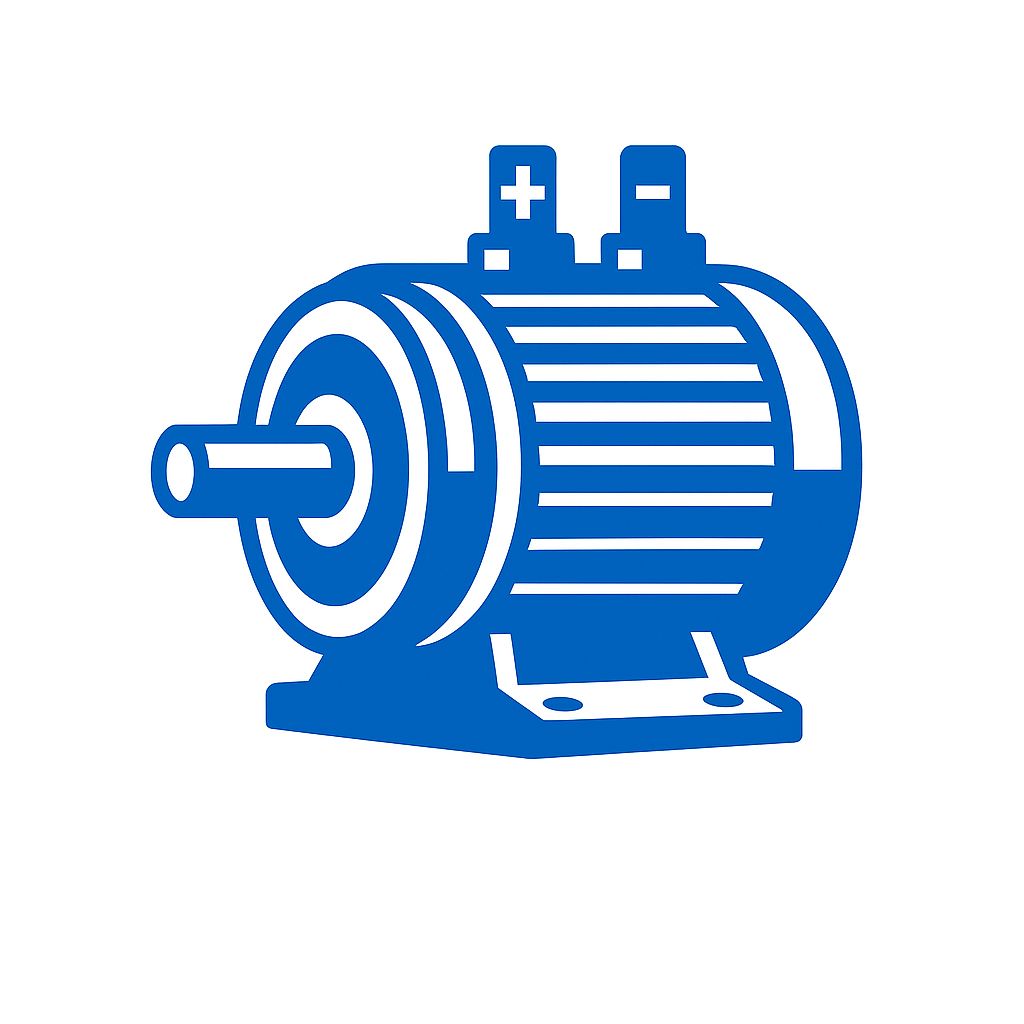
محرك التيار المستمر هو جهاز يحول الطاقة الكهربائية الناتجة عن التيار المستمر إلى طاقة ميكانيكية تُستخدم لتحريك الأحمال. يعتمد تشغيله على التفاعل بين المجال المغناطيسي والتيار الكهربائي لإنتاج القوة التي تسبب الحركة الدورانية.
- المكونات الرئيسية لمحرك التيار المستمر:
- العضو الدوار (Rotor): الجزء المتحرك الذي يدور لتوليد الحركة.
- العضو الثابت (Stator): الجزء الثابت الذي يكوّن المجال المغناطيسي.
- الفرش الكربونية (Brushes): تنقل التيار الكهربائي إلى العضو الدوار.
- المبدل (Commutator): يعمل على عكس اتجاه التيار لضمان استمرار الدوران.
كيف يعمل محرك التيار المستمر؟
- عندما يمر التيار الكهربائي في ملفات العضو الدوار، يتولد مجال مغناطيسي.
- يتفاعل هذا المجال مع المجال المغناطيسي الناتج عن العضو الثابت.
- ينتج عن هذا التفاعل عزم دوران يجعل العضو الدوار يدور.
- المبدل يقوم بتغيير اتجاه التيار بشكل دوري لضمان استمرار الحركة في الاتجاه المطلوب.
أنواع محركات التيار المستمر
- محرك التيار المستمر ذو التوصيل المستقل (Separately Excited DC Motor):
يتم تغذية ملفات العضو الدوار والمجال المغناطيسي من مصادر طاقة مستقلة. - محرك التيار المستمر ذو التوصيل المتسلسل (Series DC Motor):
يتم توصيل ملفات المجال المغناطيسي والعضو الدوار على التوالي، مما يزيد من عزم الدوران عند الأحمال الثقيلة. - محرك التيار المستمر ذو التوصيل المتوازي (Shunt DC Motor):
يتم توصيل ملفات المجال المغناطيسي بالتوازي مع العضو الدوار، مما يوفر سرعة ثابتة تقريبًا. - محرك التيار المستمر المركب (Compound DC Motor):
يجمع بين ميزات التوصيل المتسلسل والمتوازي لتوفير عزم دوران عالٍ وسرعة ثابتة.
مزايا محرك التيار المستمر
- سهولة التحكم في السرعة والعزم.
- عزم دوران عالٍ عند بدء التشغيل.
- تصميم بسيط وسهولة في الصيانة.
- أداء مستقر وفعال في التطبيقات المختلفة.
عيوب محرك التيار المستمر
- الحاجة إلى صيانة دورية للفرش الكربونية والمبدل.
- كفاءة أقل عند الاستخدام في التطبيقات ذات السرعات العالية جدًا.
- محدودية العمل في البيئات الصعبة بسبب وجود الفرش.
تطبيقات محرك التيار المستمر
- السيارات:
يُستخدم في تشغيل مساحات الزجاج، النوافذ الكهربائية، والمقاعد القابلة للتعديل. - الروبوتات:
يُستخدم لتوفير حركة دقيقة للأذرع والعجلات. - الأجهزة المنزلية:
مثل المكانس الكهربائية والخلاطات. - الآلات الصناعية:
يُستخدم في أنظمة النقل والسير الناقل لتحريك الأحمال. - الألعاب الكهربائية:
مثل السيارات والطائرات الصغيرة.
الخلاصة
محرك التيار المستمر هو مكون أساسي في العديد من الأجهزة والأنظمة التي نعتمد عليها يوميًا. يتميز بسهولة التشغيل والتحكم، مما يجعله خيارًا مثاليًا للتطبيقات التي تتطلب عزم دوران وسرعة قابلة للتعديل. على الرغم من بعض عيوبه، يظل محرك التيار المستمر من أكثر المحركات استخدامًا في الصناعات المختلفة بفضل كفاءته ومرونته.
DC Motor: Principle of Operation and Applications
The DC motor is one of the most commonly used types of electric motors, widely applied in systems requiring rotational motion and variable speed control. This type of motor is known for providing consistent torque and ease of speed regulation, making it ideal for various electrical applications.
What is a DC Motor?
A DC motor is a device that converts electrical energy from direct current (DC) into mechanical energy used to drive loads. Its operation relies on the interaction between a magnetic field and an electric current to produce the force needed for rotational motion.
- Key Components of a DC Motor:
- Rotor: The rotating part that generates motion.
- Stator: The stationary part that produces the magnetic field.
- Brushes: Transfers electrical current to the rotor.
- Commutator: Reverses the direction of the current to maintain continuous rotation.
How Does a DC Motor Work?
- When electric current flows through the rotor windings, it generates a magnetic field.
- This magnetic field interacts with the stator’s magnetic field.
- The interaction creates torque that causes the rotor to spin.
- The commutator periodically reverses the current’s direction to sustain motion in the desired direction.
Types of DC Motors
- Separately Excited DC Motor:
The rotor and magnetic field windings are powered by independent power sources. - Series DC Motor:
The field windings and rotor are connected in series, providing high torque for heavy loads. - Shunt DC Motor:
The field windings are connected in parallel with the rotor, ensuring nearly constant speed. - Compound DC Motor:
Combines features of both series and shunt motors, offering high torque and stable speed.
Advantages of DC Motors
- Easy to control speed and torque.
- High starting torque.
- Simple design and maintenance.
- Reliable and efficient performance for various applications.
Disadvantages of DC Motors
- Requires regular maintenance for brushes and commutators.
- Lower efficiency for very high-speed applications.
- Limited use in harsh environments due to brush wear.
Applications of DC Motors
- Automobiles:
Used in windshield wipers, power windows, and adjustable seats. - Robotics:
Provides precise movement for arms and wheels. - Household Appliances:
Examples include vacuum cleaners and blenders. - Industrial Machinery:
Used in conveyor systems and material handling equipment. - Electric Toys:
Found in toy cars and small aircraft.
Conclusion
The DC motor is an essential component in many devices and systems we rely on daily. Its simplicity, ease of operation, and controllability make it ideal for applications requiring adjustable torque and speed. Despite some limitations, the DC motor remains widely used in various industries due to its efficiency and versatility.