السيرفو موتور (Servo Motor): مكون أساسي في عالم التحكم والحركة
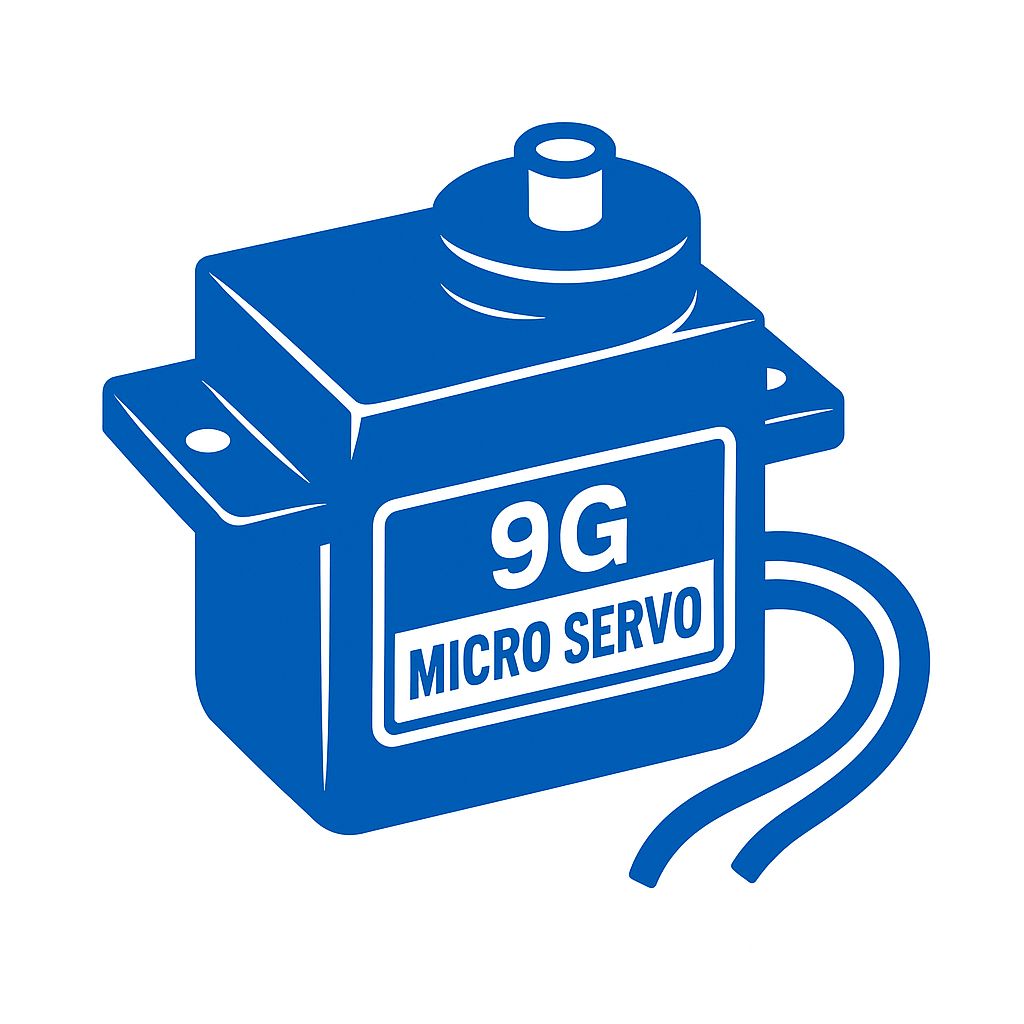
يُعد السيرفو موتور (Servo Motor) واحدًا من أكثر المكونات استخدامًا في تطبيقات التحكم والحركة الدقيقة. يُستخدم على نطاق واسع في الأجهزة الإلكترونية، الأنظمة الصناعية، الروبوتات، والطائرات بدون طيار. يتميز السيرفو موتور بالقدرة على التحكم بدقة في الحركة والزاوية، مما يجعله مكونًا لا غنى عنه في الأنظمة التي تتطلب دقة وسرعة في الأداء.
ما هو السيرفو موتور؟
السيرفو موتور هو محرك كهربائي صغير يتم التحكم فيه بواسطة إشارات كهربائية تُعرف باسم PWM (Pulse Width Modulation)، والتي تحدد موضع وزاوية وسرعة المحرك.
- مكوناته الأساسية:
- محرك كهربائي: مسؤول عن الحركة.
- وحدة تحكم إلكترونية: تتلقى الإشارة وتُترجمها إلى حركة.
- مستشعر (Feedback Sensor): يحدد الموقع الحالي للمحرك ويرسل هذه المعلومات لوحدة التحكم لضمان دقة الحركة.
كيف يعمل السيرفو موتور؟
يعتمد عمل السيرفو موتور على نظام الحلقة المغلقة (Closed Loop System)، حيث يتم استخدام المستشعر لتحديد الموقع الفعلي ومقارنته بالموقع المطلوب.
- تستقبل وحدة التحكم الإشارة الكهربائية (PWM).
- تُحلل وحدة التحكم الإشارة لتحديد زاوية الحركة المطلوبة.
- يقوم المحرك بالحركة المطلوبة بناءً على الإشارة.
- يرسل المستشعر تغذية راجعة عن الموقع الحالي للتأكد من تطابقه مع الإشارة الأصلية.
أنواع السيرفو موتور
- السيرفو موتور التيار المستمر (DC Servo Motor):
يتم تشغيله بواسطة تيار مستمر، ويُستخدم في التطبيقات ذات الأحمال الصغيرة مثل الروبوتات الصغيرة والألعاب. - السيرفو موتور التيار المتناوب (AC Servo Motor):
يعمل بواسطة تيار متناوب، ويُستخدم في التطبيقات الصناعية التي تتطلب أحمالًا كبيرة مثل أنظمة التصنيع الآلي. - الخطوي (Stepper Servo Motor):
يتحرك بخطوات صغيرة وثابتة، ويُستخدم في الطابعات ثلاثية الأبعاد وأجهزة التصوير الطبية.
تطبيقات السيرفو موتور
- الروبوتات:
يستخدم السيرفو موتور في الروبوتات لتوفير حركة دقيقة للأذرع والمفاصل. - الطائرات بدون طيار (Drones):
يساعد في التحكم باتجاه الطيران من خلال التحكم في الزعانف. - أنظمة التصنيع:
تُستخدم في الماكينات الصناعية لتحريك الأدوات والأجزاء بدقة. - الأجهزة المنزلية:
مثل الغسالات والأبواب الأوتوماتيكية. - السيارات:
يُستخدم في التحكم بالمرايا، النوافذ، وحتى في أنظمة التوجيه.
مزايا السيرفو موتور
- دقة عالية في الحركة والزاوية.
- استجابة سريعة للتحكم.
- كفاءة في استهلاك الطاقة.
- قدرة على العمل في الأنظمة الصغيرة والكبيرة.
عيوب السيرفو موتور
- التكلفة العالية مقارنة بالمحركات العادية.
- قد يتطلب صيانة دورية بسبب التعقيد في المكونات.
- محدودية في العمل مع الأحمال الثقيلة جدًا مقارنة بأنواع أخرى من المحركات.
الخلاصة
السيرفو موتور هو قلب الأنظمة الدقيقة التي تعتمد على الحركة والتحكم. بفضل قدرته على تقديم أداء دقيق وموثوق، أصبح أحد العناصر الأساسية في تطبيقات التكنولوجيا الحديثة، من الروبوتات إلى الأنظمة الصناعية. فهم كيفية عمل السيرفو موتور وتطبيقاته يمكن أن يساعد المهندسين والمطورين في تصميم أنظمة متطورة تلبي احتياجات العصر.
Servo Motor: A Key Component in Motion and Control Systems
The servo motor is one of the most widely used components in precision motion and control applications. It plays a crucial role in electronic devices, industrial systems, robotics, and drones. With its ability to control motion and angles accurately, the servo motor is indispensable in systems that demand high precision and efficiency.
What is a Servo Motor?
A servo motor is a small electric motor controlled by electrical signals known as PWM (Pulse Width Modulation). These signals determine the position, angle, and speed of the motor.
- Core Components:
- Electric Motor: Provides the motion.
- Electronic Controller: Receives signals and converts them into motion commands.
- Feedback Sensor: Measures the motor’s current position and sends this data back to the controller to ensure accuracy.
How Does a Servo Motor Work?
A servo motor operates based on a closed-loop system, where feedback from the sensor ensures the motor achieves the desired position.
- The controller receives a PWM signal.
- It analyzes the signal to determine the desired angle or position.
- The motor moves accordingly based on the signal.
- The sensor provides real-time feedback to confirm the motor’s position matches the command.
Types of Servo Motors
- DC Servo Motor:
Operated by direct current, suitable for low-load applications such as small robots and toys. - AC Servo Motor:
Powered by alternating current, used in industrial applications with high-load requirements such as automated manufacturing systems. - Stepper Servo Motor:
Moves in small, fixed steps, ideal for 3D printers and medical imaging devices.
Applications of Servo Motors
- Robotics:
Used in robotic arms and joints to achieve precise movements. - Drones:
Helps control flight direction by adjusting the fins. - Manufacturing Systems:
Drives industrial machinery for precise tool and part movements. - Household Appliances:
Found in washing machines and automatic doors. - Automotive Systems:
Controls mirrors, windows, and even steering mechanisms.
Advantages of Servo Motors
- High precision in movement and angle control.
- Fast response to control signals.
- Energy-efficient operation.
- Versatile for use in both small and large systems.
Disadvantages of Servo Motors
- Higher cost compared to regular motors.
- May require periodic maintenance due to complexity.
- Limited capability to handle extremely heavy loads compared to other motor types.
Conclusion
Servo motors are at the heart of modern precision systems that rely on accurate motion and control. Their reliable and efficient performance has made them essential in a wide range of applications, from robotics to industrial automation. Understanding how servo motors work and their applications can empower engineers and developers to design advanced systems that meet the needs of today’s technological advancements.