
مقدمة
مجس الغاز هو جهاز يستخدم للكشف عن الغازات في البيئة المحيطة. يعمل المجس على قياس تركيز الغاز في الهواء وتحويله إلى إشارة كهربائية يمكن معالجتها بواسطة المتحكمات الدقيقة مثل الأردوينو. يستخدم مجس الغاز في مجموعة واسعة من التطبيقات مثل الكشف عن تسربات الغاز، أنظمة الأمان، جودة الهواء، والتطبيقات الصناعية.
كيف يعمل مجس الغاز؟
تستخدم مجسات الغاز تقنيات مختلفة للكشف عن أنواع متعددة من الغازات. عادةً ما تعمل هذه المجسات عن طريق قياس التغيير في المقاومة الكهربائية أو التيار الكهربائي أو الجهد الكهربائي الناتج عن تفاعل الغاز مع المادة الحساسه في المجس. يتفاعل الغاز مع هذه المادة مما يؤدي إلى تغيير في الخصائص الكهربائية للمادة، مما يسمح للمجس بالكشف عن تركيز الغاز.
أنواع مجسات الغاز
- مجس الغاز MQ:
- تعتبر مجسات MQ من أشهر أنواع مجسات الغاز المستخدمة في المشاريع الإلكترونية. تتوفر هذه المجسات في مجموعة متنوعة من الأنواع للكشف عن غازات مختلفة مثل أول أكسيد الكربون (CO)، الميثان (CH4)، غاز البوتان (C4H10)، الأمونيا (NH3)، وغيرها.
- تحتوي مجسات MQ على عنصر حساس يتغير في خصائصه عندما يتفاعل مع الغاز المستهدف.
- مجسات أكسيد المعادن (Metal Oxide Sensors):
- هذه المجسات تحتوي على مادة أكسيد المعادن التي تتفاعل مع الغازات وتغير مقاومتها. يُستخدم هذا النوع للكشف عن الغازات السامة مثل أول أكسيد الكربون، ثاني أكسيد النيتروجين، والأمونيا.
- مجسات الكهروكيميائية:
- تعتمد هذه المجسات على التفاعل الكيميائي بين الغاز والمادة الكهربائية في المجس. تستخدم للكشف عن الغازات السامة مثل أول أكسيد الكربون والأوكسجين.
- مجسات الأشعة تحت الحمراء (IR Sensors):
- تستخدم هذه المجسات لتحديد غازات معينة عن طريق امتصاص الأشعة تحت الحمراء بواسطة جزيئات الغاز. هذه الطريقة دقيقة للغاية وتستخدم بشكل رئيسي للكشف عن غازات مثل ثاني أكسيد الكربون.
تطبيقات مجسات الغاز
- أنظمة الأمان والكشف عن التسرب:
- تُستخدم مجسات الغاز في أنظمة الأمان لاكتشاف تسربات الغاز في المنازل والمصانع. على سبيل المثال، يمكن استخدام مجس للكشف عن تسرب الغاز الطبيعي (الميثان) أو غاز البوتان في المنازل.
- أنظمة مراقبة جودة الهواء:
- يتم استخدام مجسات الغاز في محطات مراقبة جودة الهواء للكشف عن الملوثات مثل أول أكسيد الكربون، ثاني أكسيد النيتروجين، الأوزون، وغيرها من الغازات السامة أو الملوثة.
- الروبوتات الذكية:
- تستخدم الروبوتات في بعض الأحيان مجسات الغاز للكشف عن المواد أو الغازات في البيئة المحيطة. على سبيل المثال، في تطبيقات البحث والإنقاذ للكشف عن الغازات السامة في المناطق الخطرة.
- السيارات:
- تستخدم مجسات الغاز في السيارات للكشف عن غازات العادم والتأكد من فعالية نظام العادم والحفاظ على البيئة من التلوث.
- المختبرات والبحوث:
- تُستخدم في المختبرات البحثية للكشف عن غازات معينة أثناء التجارب أو في الأنظمة الصناعية.
ميزات مجسات الغاز
- دقة عالية: توفر مجسات الغاز دقة عالية في الكشف عن تركيز الغاز في الهواء.
- حساسيات متنوعة: تتوفر مجسات الغاز للكشف عن مجموعة واسعة من الغازات مثل أول أكسيد الكربون، الميثان، الأمونيا، وغيرها.
- سهولة الاستخدام: يمكن دمج مجسات الغاز بسهولة مع المتحكمات الدقيقة مثل الأردوينو لتصميم أنظمة كشف تلقائية.
- استجابة سريعة: تتمتع مجسات الغاز بقدرة استجابة سريعة لتغييرات تركيز الغاز في الهواء.
تحديات استخدام مجسات الغاز
- التعرض للعوامل البيئية: يمكن أن تتأثر مجسات الغاز بالظروف البيئية مثل درجة الحرارة والرطوبة، مما قد يؤثر على دقتها.
- العمر الافتراضي: بعض أنواع مجسات الغاز تتآكل مع مرور الوقت، مما قد يقلل من كفاءتها.
- الحاجة إلى المعايرة: مجسات الغاز تحتاج إلى معايرة دورية للتأكد من دقتها، خاصة إذا كانت تستخدم في تطبيقات حساسة.
كيفية استخدام مجس الغاز مع Arduino
المكونات المطلوبة:
- لوحة أردوينو (مثل Arduino Uno)
- مجس الغاز (مثل MQ-2 أو MQ-7)
- أسلاك توصيل
- جهاز للكشف عنه (مثل جهاز كهربائي أو الهواء المحيط)
خطوات التوصيل:
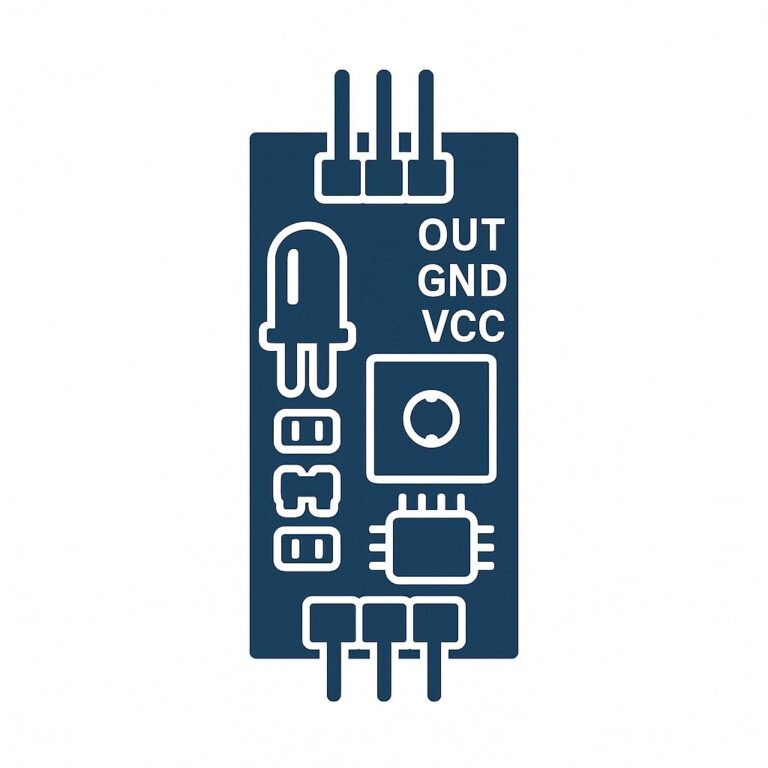
- اتصال المجس مع الأردوينو: وصل دبابيس المجس مع لوحة الأردوينو. يتم توصيل دبابيس VCC و GND بمصدر الطاقة (5 فولت والأرضي)، وتوصيل دبابيس الإشارة إلى أحد دبابيس الإدخال في الأردوينو.
- كتابة الكود البرمجي: اكتب برنامج باستخدام Arduino IDE لقراءة قيم المستشعر ومراقبة تغييرات تركيز الغاز.
- المراقبة: يمكنك مراقبة الإشارة عبر واجهة مخصصة أو عرض النتائج عبر شاشة LCD أو عبر الإنترنت.
الخاتمة
مجسات الغاز هي أجهزة مهمة تستخدم للكشف عن الغازات في البيئة المحيطة وتحويلها إلى إشارات يمكن معالجتها. هذه المجسات مهمة في العديد من التطبيقات مثل الكشف عن تسربات الغاز، مراقبة جودة الهواء، في الروبوتات، في السيارات، وفي العديد من التطبيقات الصناعية الأخرى. من خلال دمج هذه المجسات مع المتحكمات الدقيقة مثل الأردوينو، يمكن بناء أنظمة ذكية تساهم في الأمان والراحة.
Sure! Here’s the English version of the article about Gas Sensor:
Gas Sensor
Introduction
A Gas Sensor is a device used to detect gases in the surrounding environment. The sensor measures the concentration of the gas in the air and converts it into an electrical signal that can be processed by microcontrollers like Arduino. Gas sensors are used in a wide range of applications, such as gas leak detection, safety systems, air quality monitoring, and industrial applications.
How Does a Gas Sensor Work?
Gas sensors use different technologies to detect various types of gases. Typically, these sensors work by measuring the change in electrical resistance, current, or voltage that results from the interaction between the gas and the sensor material. When the gas reacts with the sensor material, it causes a change in the electrical properties, allowing the sensor to detect the gas concentration.
Types of Gas Sensors
- MQ Gas Sensor Series:
- The MQ series sensors are among the most popular gas sensors used in electronic projects. These sensors are available in various types for detecting different gases, such as carbon monoxide (CO), methane (CH4), butane (C4H10), ammonia (NH3), and more.
- MQ sensors have a sensitive element that changes its properties when exposed to the target gas.
- Metal Oxide Sensors:
- These sensors contain a metal oxide material that reacts with gases and changes its resistance. They are commonly used for detecting toxic gases like carbon monoxide, nitrogen dioxide, and ammonia.
- Electrochemical Sensors:
- These sensors rely on a chemical reaction between the gas and the electrical material inside the sensor. They are used to detect toxic gases like carbon monoxide and oxygen.
- Infrared (IR) Sensors:
- These sensors detect gases by measuring the absorption of infrared light by gas molecules. This method is highly accurate and is commonly used for detecting gases like carbon dioxide.
Applications of Gas Sensors
- Safety Systems and Leak Detection:
- Gas sensors are used in safety systems to detect gas leaks in homes and industrial environments. For example, they can detect natural gas (methane) or butane gas leaks in homes.
- Air Quality Monitoring Systems:
- Gas sensors are used in air quality monitoring stations to detect pollutants such as carbon monoxide, nitrogen dioxide, ozone, and other toxic or polluting gases.
- Robotics:
- Robots sometimes use gas sensors to detect specific materials or gases in their surroundings. For example, in search-and-rescue applications, gas sensors can detect toxic gases in hazardous areas.
- Automobiles:
- Gas sensors are used in vehicles to detect exhaust gases and ensure the proper functioning of the exhaust system, as well as reduce pollution.
- Laboratories and Research:
- Gas sensors are used in research laboratories to detect gases during experiments or in industrial systems.
Features of Gas Sensors
- High Accuracy: Gas sensors offer high accuracy in detecting the concentration of gases in the air.
- Variety of Sensitivities: Gas sensors are available for detecting a wide range of gases such as carbon monoxide, methane, ammonia, and others.
- Ease of Use: Gas sensors can easily be integrated with microcontrollers like Arduino to create automatic detection systems.
- Fast Response: Gas sensors are capable of quickly responding to changes in gas concentration.
Challenges When Using Gas Sensors
- Exposure to Environmental Factors: Gas sensors can be affected by environmental conditions like temperature and humidity, which may impact their accuracy.
- Sensor Lifespan: Some gas sensors degrade over time, reducing their effectiveness.
- Calibration Requirement: Gas sensors need regular calibration to ensure their accuracy, especially when used in sensitive applications.
How to Use a Gas Sensor with Arduino
Required Components:
- Arduino board (e.g., Arduino Uno)
- Gas sensor (e.g., MQ-2 or MQ-7)
- Connecting wires
- Device to monitor (e.g., electrical device or air)
Connection Steps:
- Connect the Sensor to Arduino: Connect the gas sensor pins to the Arduino board. Connect the VCC and GND pins to the power sources (VCC to 5V, GND to ground), and connect the signal pins to a digital input pin on the Arduino (e.g., D8).
- Write the Code: Use the Arduino IDE to write a program that reads the sensor values and monitors changes in gas concentration.
- Monitoring: You can monitor the signal through a dedicated interface or display the results on an LCD screen or online.
Conclusion
Gas Sensors are essential devices used to detect gases in the surrounding environment and convert them into signals that can be processed. These sensors are important in a variety of applications, such as gas leak detection, air quality monitoring, robotics, automotive systems, and industrial applications. By integrating these sensors with Arduino or other microcontrollers, intelligent systems can be built to enhance safety and convenience.